Types Of Sansevieria

Types of sansevieria
Sansevieria is a genus comprised of about 70 different species.
What is the most rare Sansevieria?
Sayuri. One of the rarest Sansevieria varieties, Sayuri shows off pretty gray-green blade-like leaves evenly striped in silver and blue, margined in white. The plant thrives in bright direct sunlight.
What is the most common Sansevieria?
Sansevieria Trifasciata is the most common type of snake plant of all Snake plant varieties on this list. Also known as mother-in-law's tongue, is one of the most popular types preferred worldwide for the unique blade-shaped leaves and its erect nature.
What is the prettiest snake plant?
14 Most Beautiful Snake Plant Varieties to Grow Indoors
- Sansevieria 'Golden Hahnii'
- Sansevieria 'Futura Superba'
- Sansevieria 'Cleopatra'
- Sansevieria 'Cylindrica'
- Sansevieria 'Bantel's Sensation'
- Sansevieria 'Desertii'
- Sansevieria 'Moonshine'
- ' Blue' Sansevieria.
Do snake plants like to be crowded?
Do snake plants like to be crowded? Yes, snake plants do like to be crowded. However when they're severely root-bound the pot can break, or they can have a hard time absorbing the water and nutrients they need.
How long does a Sansevieria live?
The average lifespan of a snake plant is five to ten years; however, they can live up to 25 years or more.
What is the difference between Sansevieria and snake plant?
The Snake Plant, also known as Mother-in-Law's Tongue or Sansevieria, is a popular indoor plant not only for its elegant, structural beauty, but also for its extreme hardiness, adaptability, and air-purifying power. Learn about the many different varieties of Snake Plants, and which one speaks to you most!
Is Black Dragon Sansevieria rare?
Sansevieria Black Dragon is a rare variety with thick, non-dark, dark green leaves and compact shape. Snake plants have become popular because it is an air purifying plant that filters toxins and they are highly recommended for improving air quality in both rooms, offices and living rooms.
How big will Sansevieria get?
Sansevieria are evergreen perennials that can grow anywhere from eight inches to 12 feet high. Their sword-like leaves are approximately two feet long. The foliage is stiff, broad, and upright, in a dark green color variegated with white and yellow striping.
Is mother in law tongue and snake plant the same?
The snake plant, commonly referred to as mother-in-law's tongue, is a resilient succulent that can grow anywhere between 6 inches to several feet. In addition to providing a bit of ambiance, snake plants have a number of health benefits, including: filter indoor air. remove toxic pollutants.
How often should a Sansevieria be watered?
Water. Your Snake Plant only needs to be watered fortnightly, allowing its soil to completely dry out between waterings to prevent overwatering and root rot. During the winter months feel free to only water your snake plant once a month if the soil is still moist after 2 weeks.
How many snake plants should I have in my room?
"According to NASA's Clean Air Study, the snake plant is so effective in producing oxygen that if you were locked in a sealed room with no airflow, you would be able to survive with just 6-8 plants in it. NASA recommends 15 to 18 medium to large size plants for 1,800-square-foot home for optimum air quality."
What are the disadvantages of snake plant?
7 Disadvantages Of A Snake Plant That You Should Know
- It Grows Slow -
- The Problem of Propagation - ...
- It Is Toxic For Humans & Pets - ...
- Leaves Falling Over - ...
- Bringing Bad Luck - ...
- Cold Temperature Requirements - ...
- Regular Fungus Attack -
How do I know if my snake plant is happy?
Look for dark green leaves to make sure your sansevieria is healthy. Dark leaves on a snake plant indicate that it is healthy and well-nourished. Leaves that have a yellowish tinge on the outer edge of the leaves or leaves that are pale and floppy could indicate that the plant is dying.
Is there a plant snakes don't like?
Snake-repellent plants, such as marigolds, allium, lemongrass, mother-in-law's tongue, garlic, wormwood, pink agapanthus, snakeroots, basil and yellow alder will all keep snakes away naturally.
Do snake plants like deep or shallow pots?
Do Snake Plants need deep pots? No. Their rhizomes spread out rather than grow deep. A deep pot means more soil mass which can lead to them staying too wet.
Do snake plants like wide or deep pots?
Snake Plant Pot Size The snake plant can grow to be 12 feet tall and 10 feet wide, so it's important to have a large enough pot to accommodate the entire plant. The best pot size for a snake plant is at least 18 inches in diameter and 24 inches deep.
Should a snake plant be by a window?
Light: Snake plants can tolerate lower light conditions, but they do best near a window. Even a north facing window is fine. They'll grow faster with a little more light, and they tend to droop if they're deprived of light for too long.
Do snake plants multiply?
Did you know they're also a cinch to propagate whenever you like? The sword-like leaves of this tropical houseplant root easily in water or soil and division is a great option for large plants. All you need to multiply your snake plant is time, a sharp knife or pair of pruners, potting soil, and water.
How often do Sansevieria bloom?
When snake plants bloom, they'll only do so once a year, usually in spring. The flowers last a few weeks and can develop berries as the flowers begin to die back. Fortunately, snake plants won't die once they've flowered. Instead, new flowering stalks may appear annually to treat you with their stunning flowers.
15 Types of sansevieria Images
Sansevieria ehrenbergii Sansevieria plant Ornamental grasses

80 best Sansevieria images on Pinterest Succulent plants Mother in

motherinlaws tongue Moonshine Sansevieria Trifasciata Sansevieria

Image result for Sansevieria Silver Laurentii for sale usa Plants
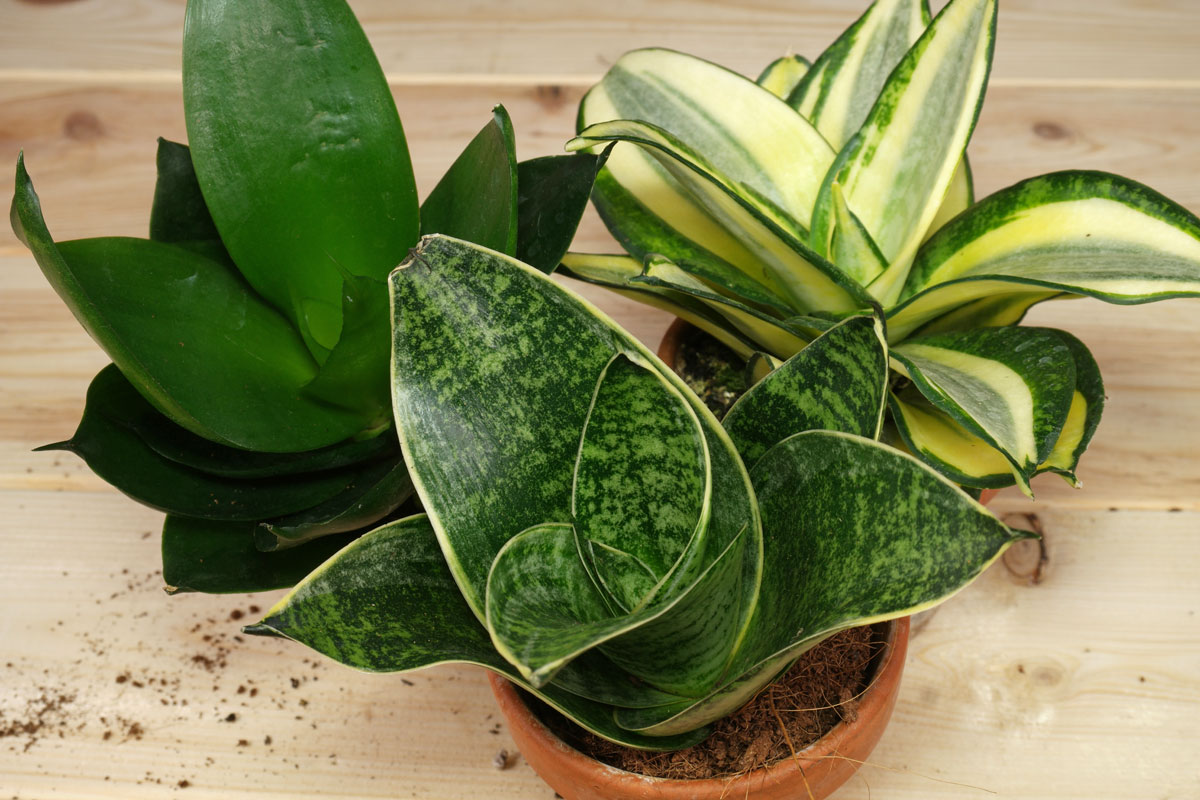
sansevieria Buscar con Google Plantas ornamentais Plantas

Sansevieria plant Plants Cacti and succulents

Read our complete guide to Snake Plants for everything you will ever

Snake Plant Mother in Law Tongue House Plants Pinterest Snake

Sansevieria Hahnii Birds Nest Snake Plant Growing and Care

Image result for sansevieria types Sansevieria plant Sansevieria Plants

sansevieria cylindrica with flower Plants Sansevieria Sansevieria

Snake Plants are easy care indoor plants These Snake Plant types

Dwarf Sansevieria Cylindrica in 3 pot Snake Etsy in 2021

Haworthia koelmaniorum mcmurtryii exseeds PE Planting succulents

Komentar
Posting Komentar