Gardenia Leaf

Gardenia leaf
Toxicity: non-toxic These plants are not poisonous or there is no known record of toxicity.
What are the benefits of gardenia?
Some chemicals found in gardenia might reduce insulin resistance and help prevent glucose intolerance. Gardenia extract might also reduce swelling, lower blood fats and cholesterol, protect the liver, and help treat viral infections.
What causes gardenia leaves to go yellow?
The most likely reason for yellow leaves on gardenias is low iron. But guess what? You don't need to add iron to solve the problem; you need to test the soil. Gardenias need acidic soil, which means soil with a pH between 5.0 and 6.5.
What part of gardenia is poisonous?
However, in most cases the plants cause mild discomfort like diarrhea and hives. This is true for all parts of the plant. The leaves, seeds, flowers and roots are all non-toxic and considered safe to humans. In fact Gardenias are considered an edible flower.
Can you make tea with gardenia leaves?
Because gardenia flowers are edible, after straining, you could even use the honey-soaked petals to make a sweet tea concentrate. Just add the honey-soaked petals to a small saucepan, cover with water, and bring to just a boil. Then steep covered for 8-10 minutes, strain, and you have yourself a gardenia sweet tea!
Can gardenias be used for tea?
Dried gardenia powder, tea or extract can all be used internally. It may also be applied directly to the skin. Gardenia is referred to by several different names in Ayurvedic medicine, including Dakamali and Nahi hingu.
Can the gardenia be used as medicine?
Gardenia is a plant. The fruits are used to make medicine. Gardenia is used for swelling (inflammation), liver disorders, diabetes, and other conditions, but there is no good scientific evidence to support these uses. In food, gardenia is used as a yellow food colorant.
Why do gardenias smell so good?
A large portion of gardenia's exquisite aroma comes from the molecules linalool and methyl benzoate. Linalool gives gardenia it's floral scent. It's also found in many other plants, and is often used to give candles, perfumes, soaps, and household products a refreshing smell.
What are the benefits of gardenia tea?
Gardenia tea has been used to treat yin (cold) deficiency disorders, including irritability, restlessness, insomnia, and sensation of chest tightness. The tea has also been used in women experiencing menopause since it can help alleviate symptoms such as depression, headaches, and dizziness.
Should I water gardenias every day?
Gardenias need at least an inch of water a week, whether from rainfall or a hose. Apply mulch to a depth of two to four inches to help keep moisture in the soil and control water-hogging weeds. Don't let the plants become completely dry before you water, and water regularly.
Does vinegar help gardenias?
Though vinegar can be fatal to many common plants, others, like rhododendrons, hydrangeas and gardenias, thrive on acidity which makes a bit of vinegar the best pick-me-up. Combine one cup of plain white vinegar with a gallon of water and use the next time you water these plants to see some amazing results.
What is the best fertilizer for gardenias?
Gardenias use a lot of nutrients to produce so many glorious blossoms. Feed your shrubs by applying an acidic, slow-release fertilizer such as an azalea or camellia fertilizer. For the organic gardener, blood meal, fish emulsion or bone meal work well.
Are gardenias good for front of house?
There are many places to plant a gardenia, but the worst location is right in front of your house. A gardenia bush typically opens its main flush of blooms over several weeks in late spring and early summer.
Can dogs eat gardenia leaves?
Gardenias are a large group of flowers with hundreds of different colors, shapes, and sizes all over the world. Some are grown indoors as houseplants and some grow outside either wild or in gardens. They are all poisonous to dogs although some are more toxic than others.
Is the smell of gardenia toxic to dogs?
Shrubs and Trees That Are Toxic to Pets It mostly causes dehydration, due to severe vomiting and diarrhea. Gardenia - Unfortunately, the white and fragrant blooms of this shrub can take a toll on your pet's health, causing mild gastrointestinal distress and rashes.
What does gardenia tea taste like?
Gardenia: Contains a light and sweet flavor. Goldenrod: A mild tea with a hint of a bitter aftertaste.
What can I do with gardenia petals?
I use fresh gardenia flowers from my gardenia bush and infuse them into alcohol. I use this extract in my formulations for natural perfume, moisturizer, toner, lotion and hair scent. Gardenia jasminoides has been used traditionally in Chinese medicine and taken internally.
Is gardenia related to coffee?
The coffee plant and the gardenia are both members of the same large plant family, the Rubiaceae or Coffee family. And both are known and admired for their gleaming dark green foliage and fragrant flowers.
Is gardenia good for skin?
Gardenia Extract also boasts mild anti-inflammatory and antiseptic properties, making it a favorite for skin care products aiming to help refresh, revive, and soothe dry or tired skin.
What does gardenia flower taste like?
Eaten raw, the flower petals are as surprisingly sweet in flavor as they are in fragrance.
10 Gardenia leaf Images
Rooting Gardenias Gardenia plant Growing gardenias Gardenia trees
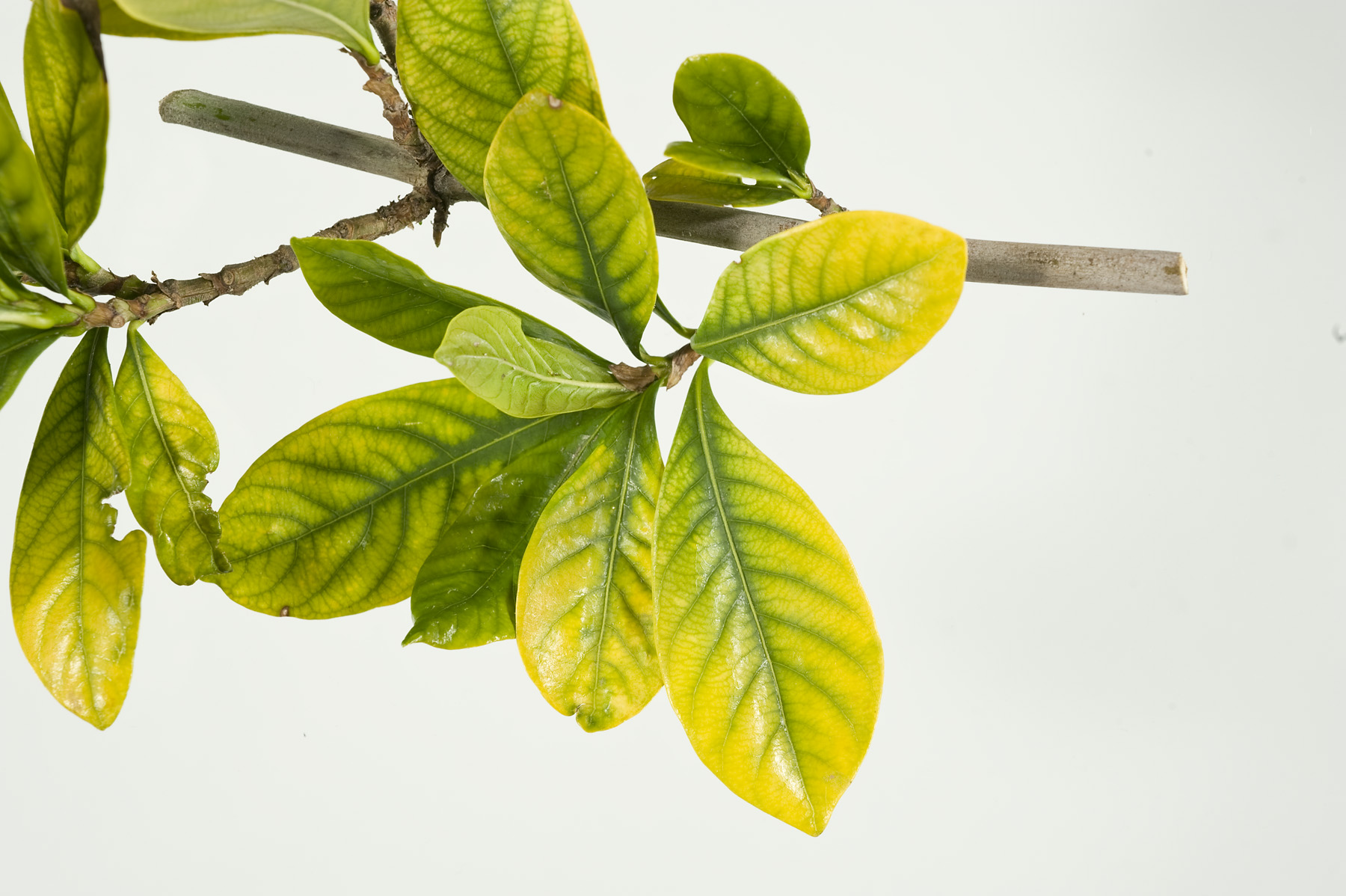
Leaves which are yellow with green veins Backyard plants Gardenia

Why the gardenia leaves turning yellow and brown Starting a

Gardenia With Yellow Leaves Magnesium deficiency Yellow base of

Gardenia coronata yellow gardenia Plant leaves Plants Gardenia

gardenia Foliage plants Gardenia Leaf flowers

Gardenia radicans underplantinggroundcover Good for morning sun

How To Grow And Care For Gardenias Gardenia plant Gardenia Southern

Free 2day shipping Buy Gardenia Leaf Trellis 4Pack Bamboo Greenery

Komentar
Posting Komentar